Choose your island and reef visits around the boat schedule, park rules and sea conditions.
Visitor rules and permits
Reservations, quotas and Padar
Reserve through SiOra ahead of time. The park’s 2026 notice sets an H−1 cutoff, subject to availability. Confirm each visitor’s reservation, date and destination before departure. South Padar uses timed entry. Ask your operator which session is confirmed and what identification matches the ticket. Availability and quotas can be adjusted, so check live slots before making non-refundable arrangements. A 22 September 2026 park notice redistributed capacity for September–December. Do not use the original headline quota to infer availability on your date.
Published daily admission is Rp50,000 for Indonesian visitors Monday to Saturday and Rp75,000 on Sundays, public holidays and collective leave days. The published foreign visitor rate is Rp250,000 per day. Scuba is an additional Rp25,000 per person per day. Confirm the current tariff and obtain a breakdown for admission, activities, guiding, boat and equipment.
The park’s permit process covers personal and commercial filming. Balai TN Komodo lists an application letter, flight plan, safety assessment from AirNav Denpasar, aircraft registration, pilot licence, aviation flight approval, insurance and Rp10,000 stamp duty. Submit the complete file to the park office or balaitamannasionalkomodo@gmail.com at least three working days before filming. That is a submission deadline. Wait for approval and comply with the permitted flight area and conditions. The park expressly prohibits drones at Pulau Kalong and its waters, Loh Buaya, Loh Liang and core zones. Confirm other locations, including Padar and Pink Beach, with the park.
Follow the ranger or naturalist guide, stay on designated trails and maintain the distance they direct. Never approach, touch, feed or chase wildlife. Stay with the group and tell the guide about any mobility concerns so they can advise on suitable routes. Take all rubbish back. Leave sand, coral, plants and animal remains where they are.
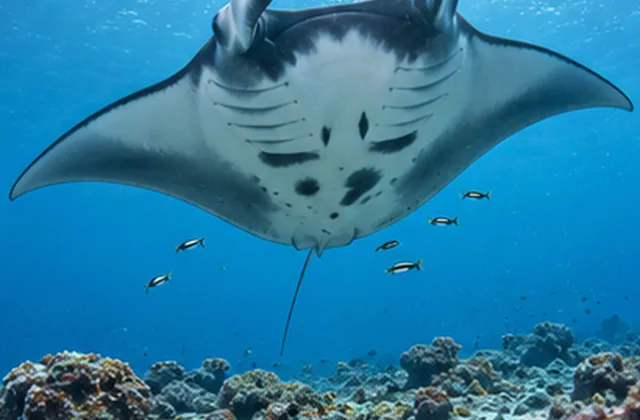
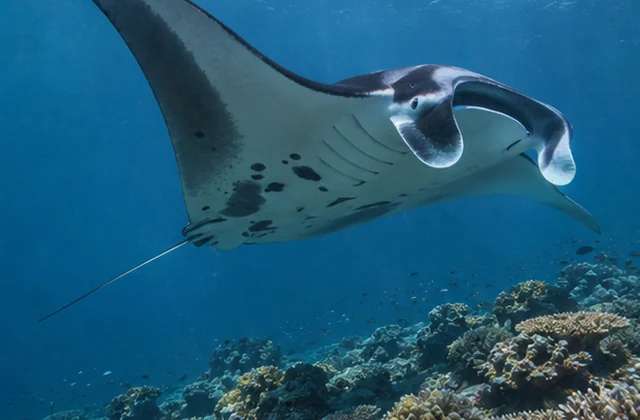
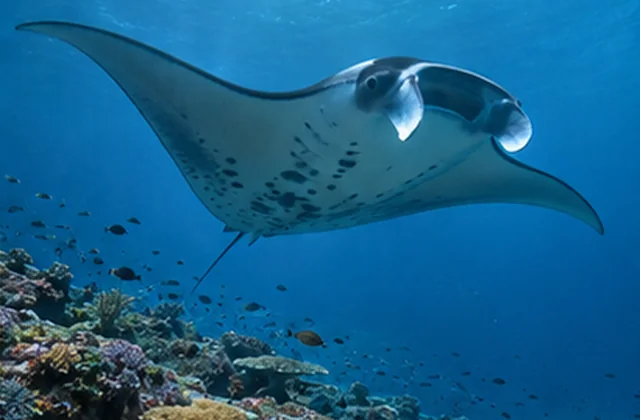
Avoid touching or standing on coral. Give mantas room to pass and keep clear of cleaning stations. Park rules restrict anchoring in water shallower than 30 m except on entirely sandy bottom, and prohibit anchoring in manta habitat or corridors. Operators must avoid dangerous speeds around divers and snorkellers. No jet skis, similar motorised water sports, loud music, fireworks, fires or beach barbecues.
Confirm the operator, boat passenger capacity, life jackets for everyone, weather policy and emergency plan. The park prohibits scuba at its dive sites without certification. For diving, ask about oxygen, pickup procedures, guide ratios and insurance coverage. Build in a no-fly interval appropriate to your dive profile and operator guidance, especially if you fly out of Labuan Bajo the next day. Check weather and reconfirm departures. Bring the identification used to book, certification if diving, water and sun protection. Check with the park about SIMAKSI or separate authorisation for activities such as research or professional filming.
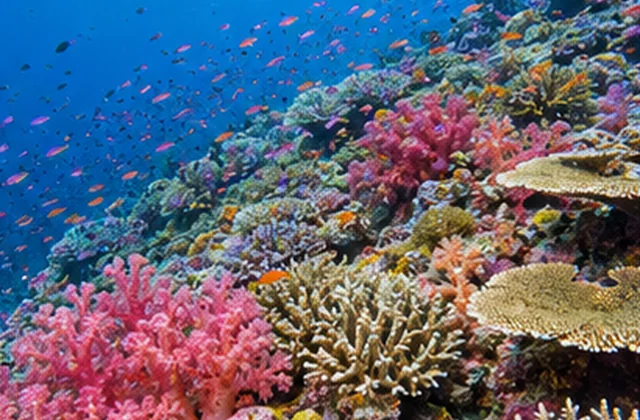
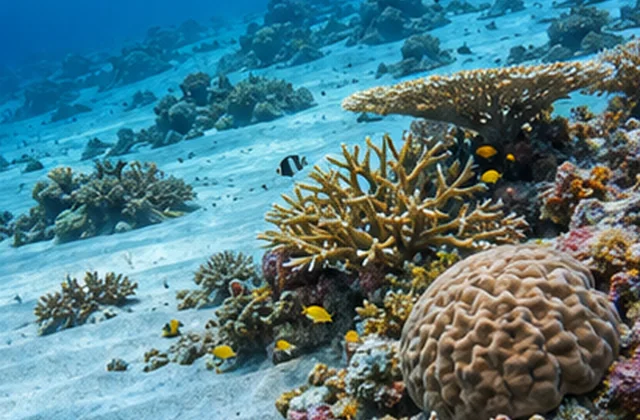
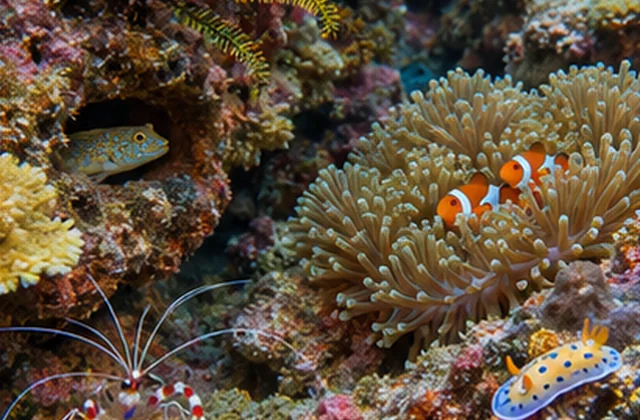
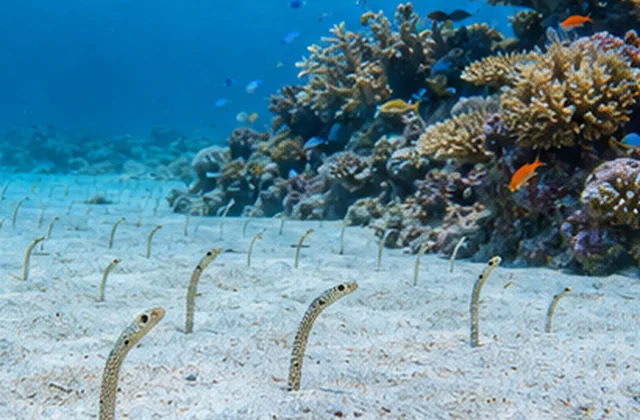
Pick dive sites with your guide after sharing your certification, recent experience and comfort with currents. The directory includes exposed and remote sites, as well as reefs on the approaches from Labuan Bajo. Confirm the exact site, park zoning, availability and conditions for your date. Wildlife sightings vary.
North Komodo
Castle Rock
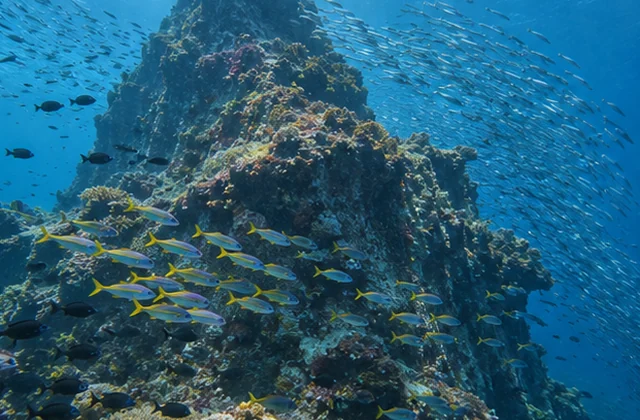
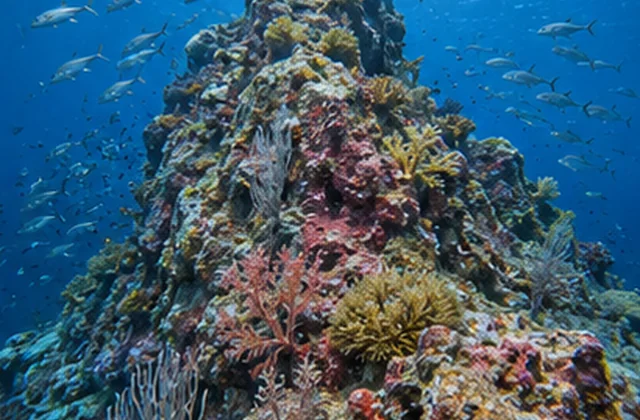
Submerged pinnacle with schooling fish and possible reef sharks. Exposed, with strong flow.
Crystal Rock
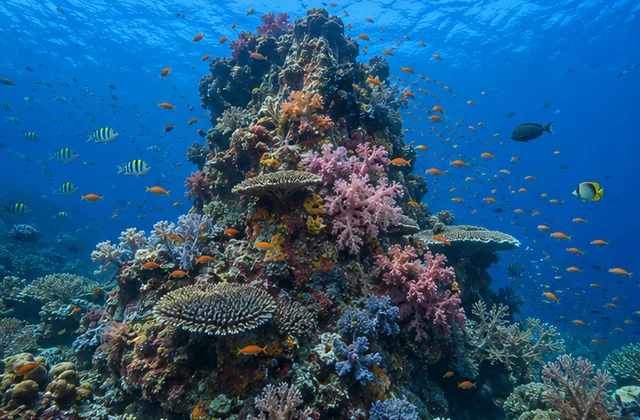
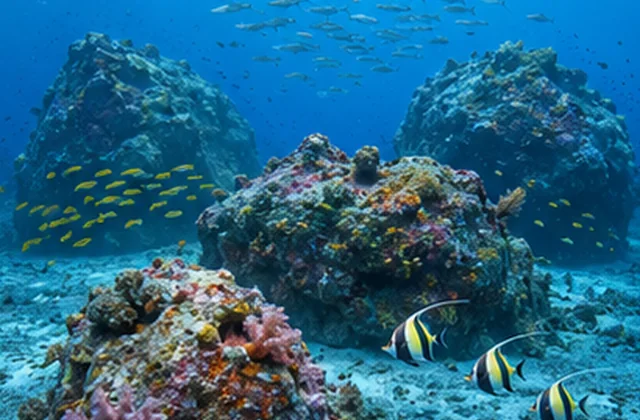
Coral-covered pinnacle with ridge and schooling fish. Wind and current can change the plan.
The Cauldron / Shotgun
Channel with a sheltered bowl and a fast section. For divers experienced with drifts.
Golden Passage / Gili Lawa Darat
Channel with reef slopes and schools of fish. The flow depends on tide.
The Lighthouse / Gili Lawa Laut
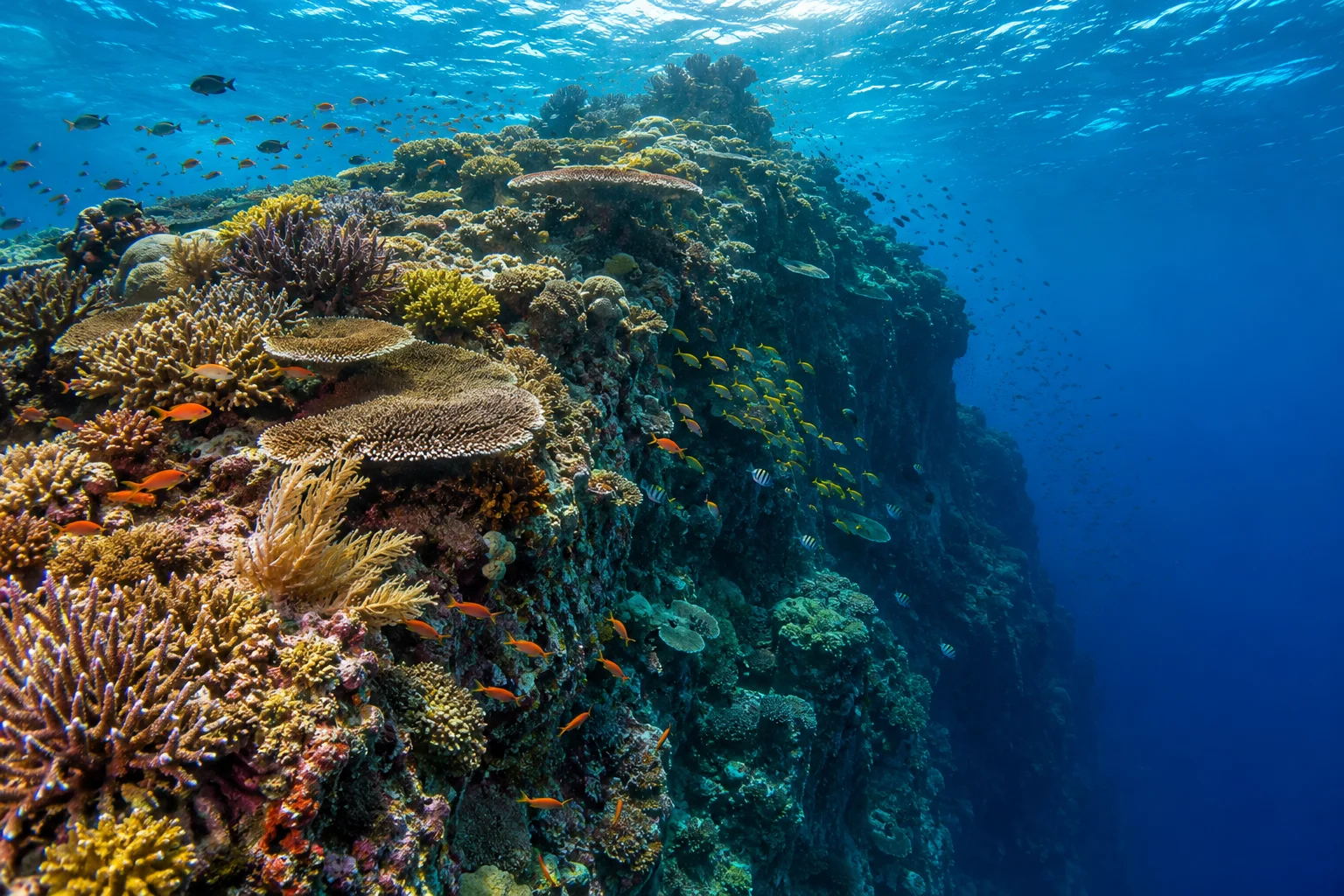
Exposed reef with table corals and pinnacles. Ask about the current window.
Toro Oi
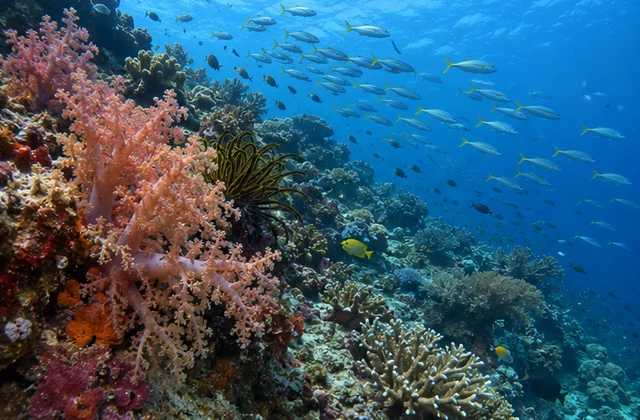
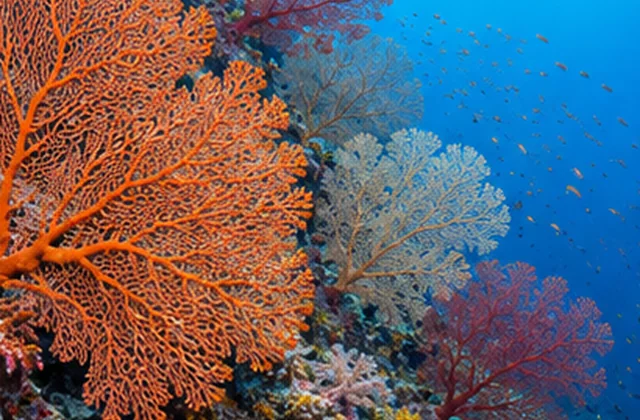
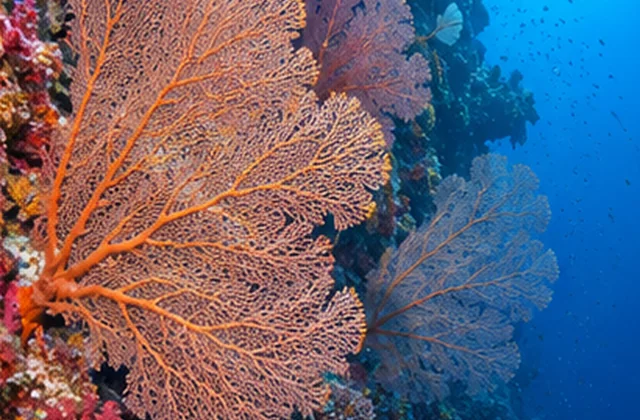
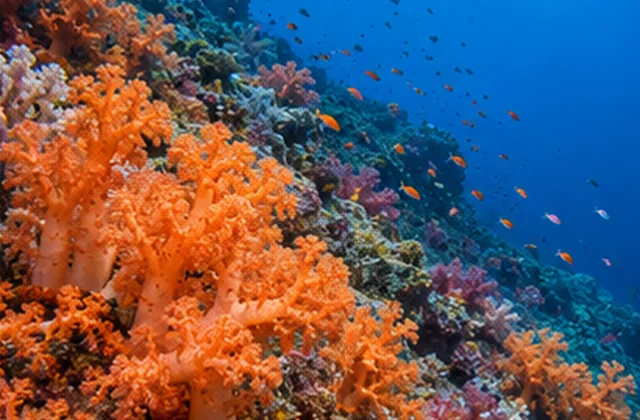
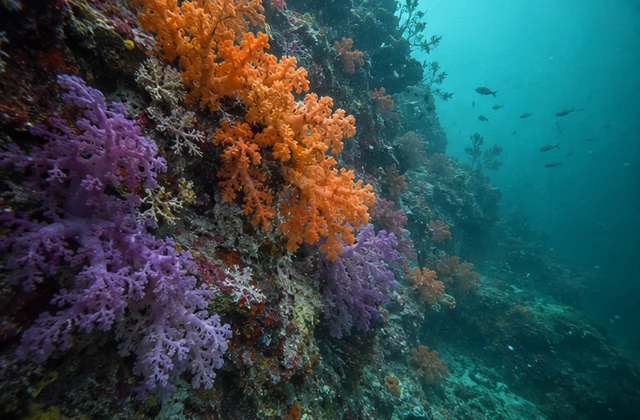
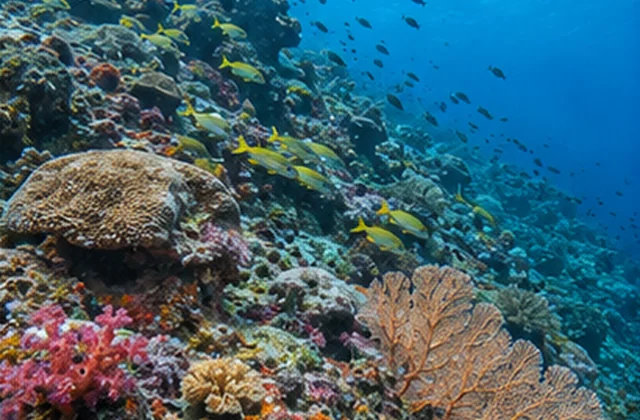
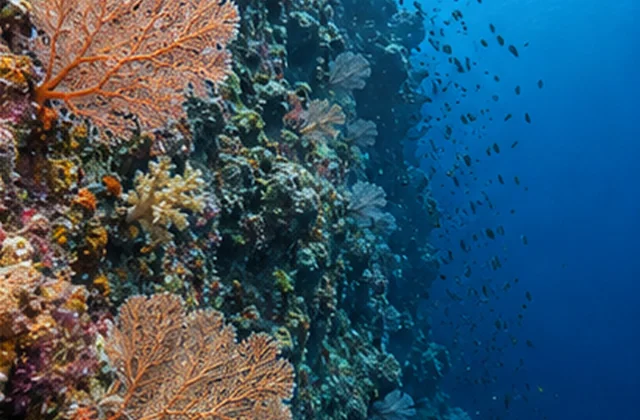
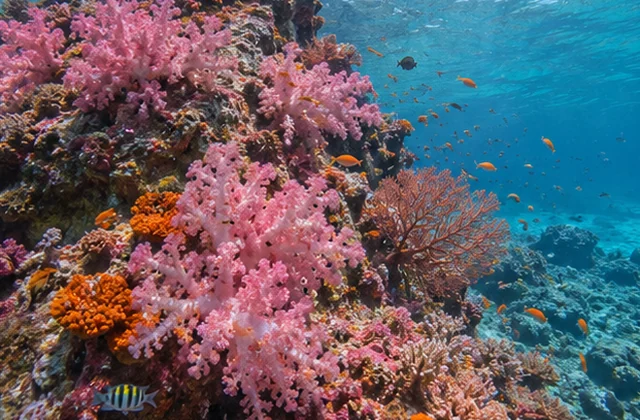
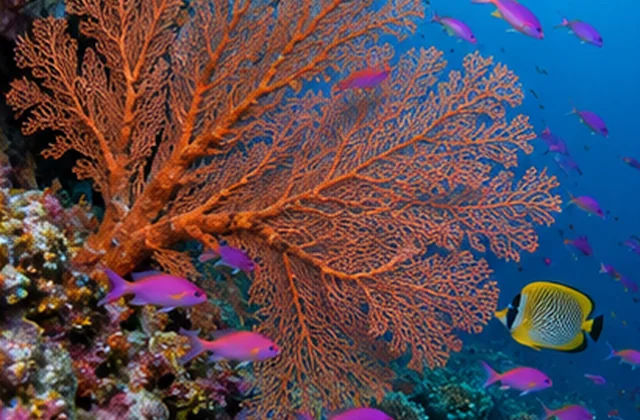
Reef slope with soft corals and sea fans on the Komodo side. Confirm the itinerary sector.
GPS Point
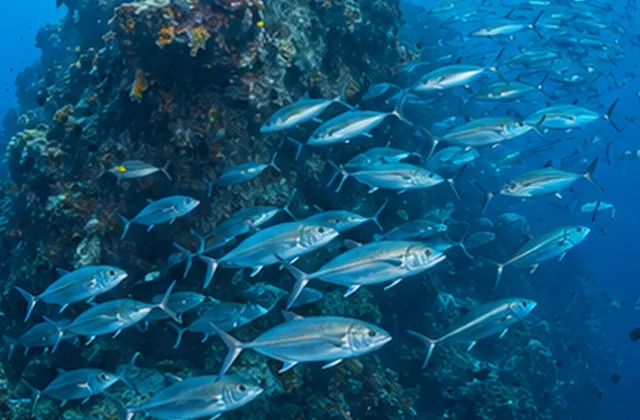
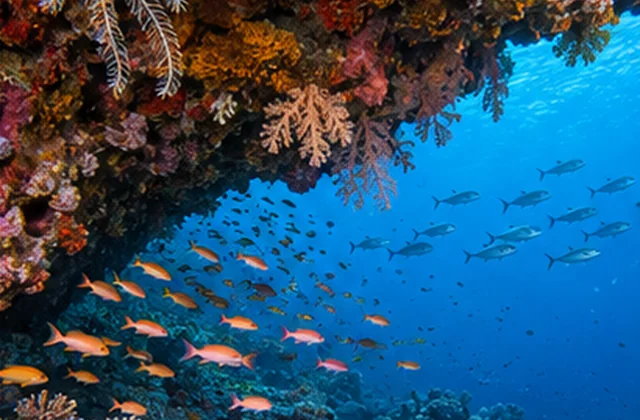
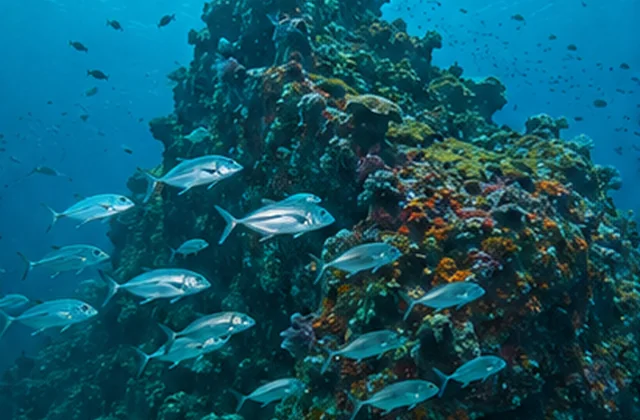
Offshore pinnacle where schooling jacks and reef fish may pass. Exposed to current.
Gili Banta
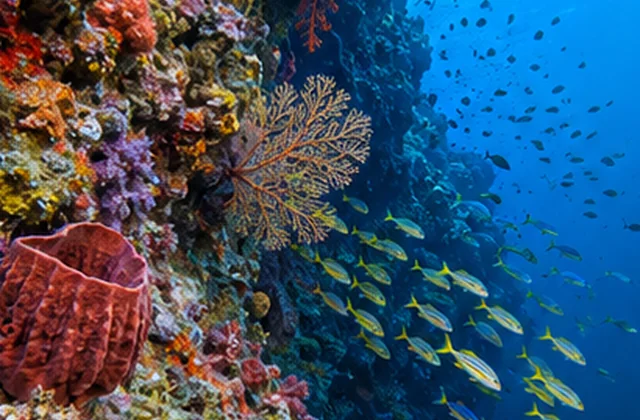
Outer itinerary option with walls and sea fans. Confirm the boundary, sea crossing and pickup.
Central Komodo
Batu Bolong
Coral-covered rock with dense reef fish. Strong flow can wrap around the rock.
Karang Makassar / Manta Point
Rubble and reef cleaning areas used by mantas. Tide and sightings vary.
Mawan
Reef and sandy channels near manta cleaning habitat. Leave the animals a clear passage.
Siaba Besar / Turtle City
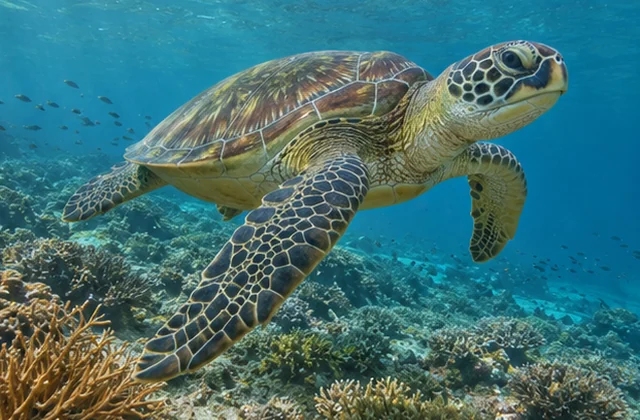
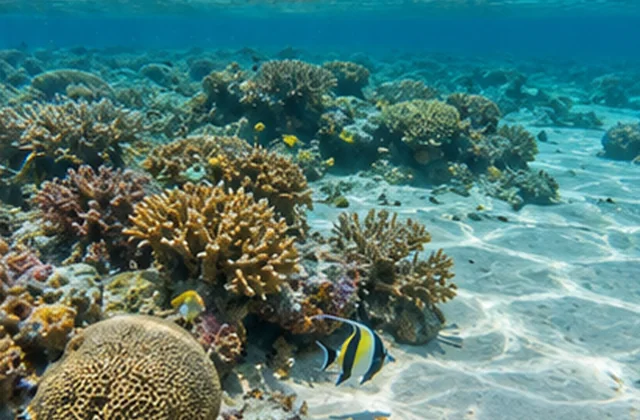
Coral gardens and sand with a chance to see green turtles. Often considered for calmer dives.
Siaba Kecil
Reef slope and overhangs with fast drift potential. Check experience requirements.
Tatawa Besar
Colourful coral slope used for drift dives. The guide selects the current window.
Tatawa Kecil
Rock relief and reef fish in exposed water. Often reserved for experienced divers.
Batu Tiga
Rock formations and schooling fish. Strong currents make conditions decisive.
Police Corner
Overhangs and reef relief near Siaba. Best discussed with a guide familiar with the site.
Pengah Kecil
Reef slope with small marine life and reef fish. Exposure varies by side.
Tengah
Reef and sandy slopes with fish activity that changes with the flow.
Loh Namu
Bay for slower reef and macro observation. Ask about the exact area and visibility.
Taka Makassar
Sandbank and nearby reef stops. Ask which reef is on the scuba itinerary.
Batu Sabun
Exposed pinnacle with strong current. Ask the operator about experience and access.
Bonsai
Rock relief and reef slopes. Ask the guide which sector is suitable in the day’s flow.
South Komodo, Rinca and Padar
Manta Alley
Exposed southern site with manta cleaning areas. Crossing and water conditions matter.
Cannibal Rock / Batu Buas
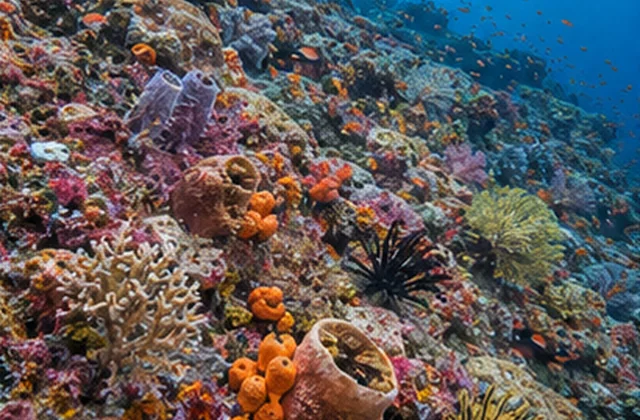
Soft corals and invertebrates around a small seamount in the Horseshoe Bay area.
Yellow Wall
Colourful wall near the southern entrance of Loh Dasami. Ask how the planned route fits your level.
Crinoid Canyon / Corner
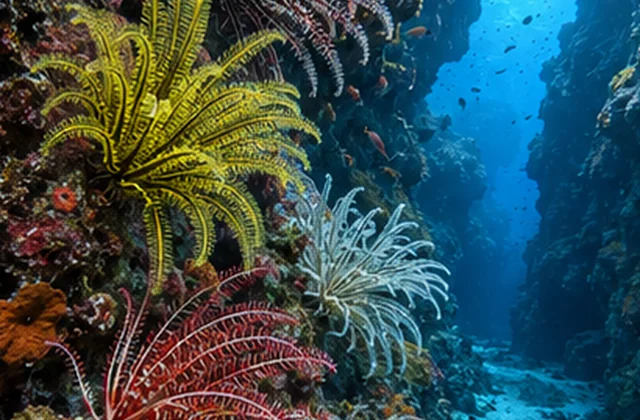
Wall and feather stars near Nusa Kode. A slow dive for small details.
Boulders
Large rocks and invertebrates along the Nusa Kode side of the bay.
Torpedo Alley / Point
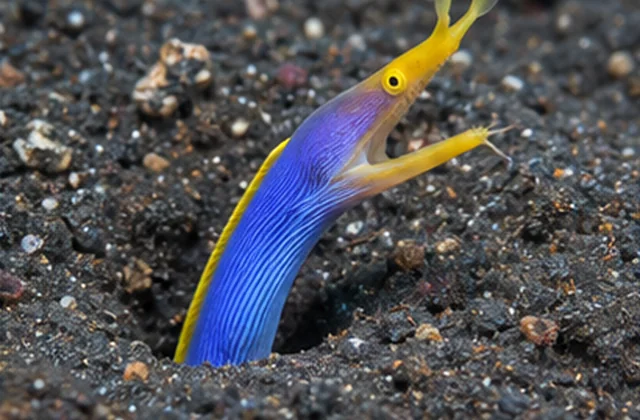
Dark sand and small animals. Good for looking closely rather than covering distance.
Pillarsteen
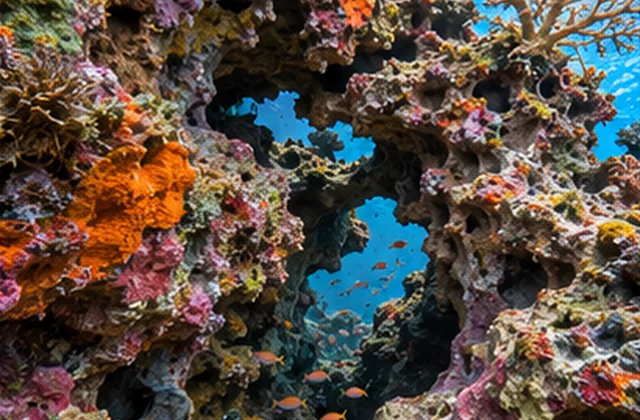
Striking rock relief near Padar with channels and recesses. Discuss route and limits with your guide.
Three Sisters
A set of submerged pinnacles near Padar. Depth and current affect the choice.
Secret Garden
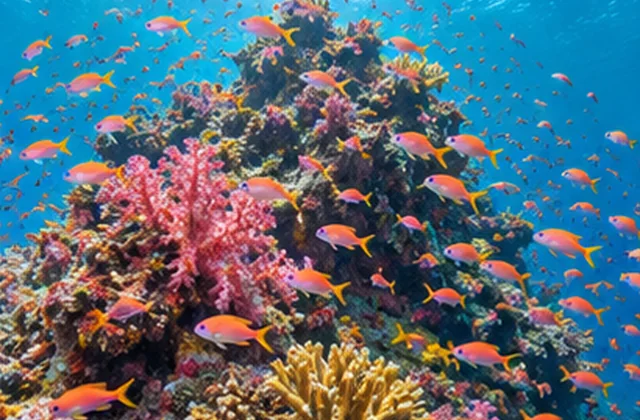
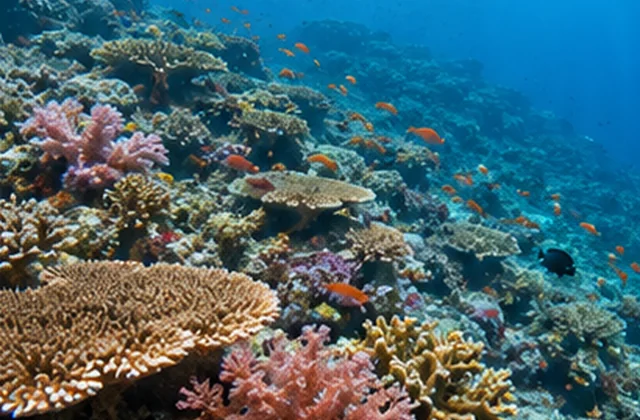
Coral garden near Padar. Confirm the exact reef name with the operator.
Langkoi Rock
Remote exposed pinnacle. Usually considered only with the right expedition conditions and experience.
Payung Island
Rocky southern reef with slopes and smaller marine life. Confirm exposure and access.
Loh Sera
Remote headland and reef slopes. Operator schedules depend on sea conditions.
Indrihillang
Rinca headland with exposed relief and schooling fish. Experienced divers only when conditions permit.
German Flag
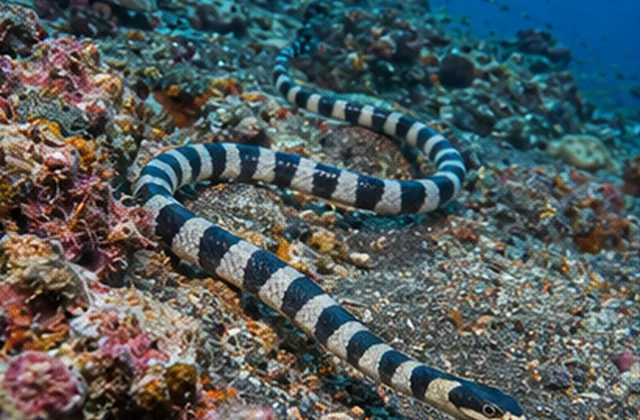
Southern reef slope known for small marine life and occasional banded sea snakes.
End of the World
Remote steep wall on southern Komodo. Exposure can make it a specialist trip.
Nusa Kode / Horseshoe Bay
Names for a broader area with several distinct sites. Ask for the exact planned entry.
Pantai Merah / Pink Beach
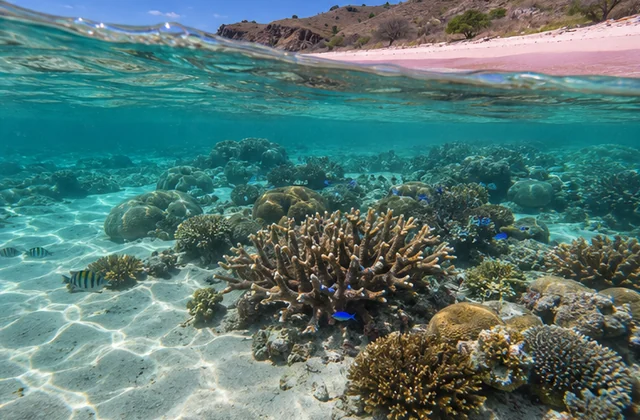
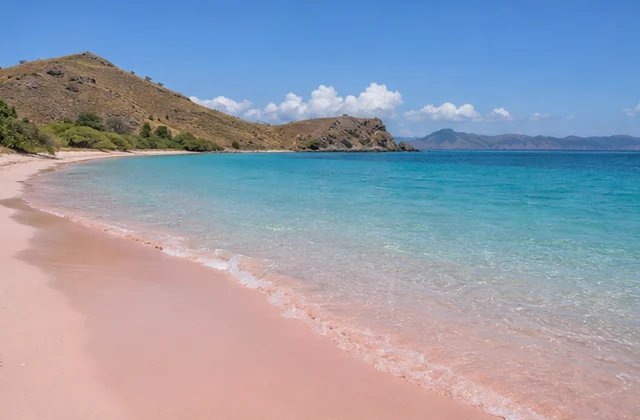
Reef and a rocky wall off Komodo Island’s pink beach, with small marine life. Confirm scuba access and surface traffic.
Eastern approaches and macro
Wainilu
Sandy and rubble bottom near Rinca for macro observation. Ask about conditions and visibility.
Sebayur Kecil
Coral slope often used for easier dives when conditions allow.
Mini Wall
Reef drop-off near the eastern approach. Confirm which wall the operator uses.
Sabolon Besar
Reef near Labuan Bajo with fans and reef fish. Confirm its location and operator schedule.
Sabolon Kecil
Small reef suitable for close-up observation on a calm day.
Kanawa
Fringing reef on the approaches from Labuan Bajo. Confirm permitted access and whether scuba is offered.
Loh Buaya (waters)
Rinca coast reef option listed by operators. Confirm permitted water access independently of dragon trekking.
The pink-sand beach on Komodo Island and its adjacent reef are distinct stops on an itinerary. Operators also use “Pink Beach” for other beaches, including stops on Padar. Ask which island, landing and reef are included.
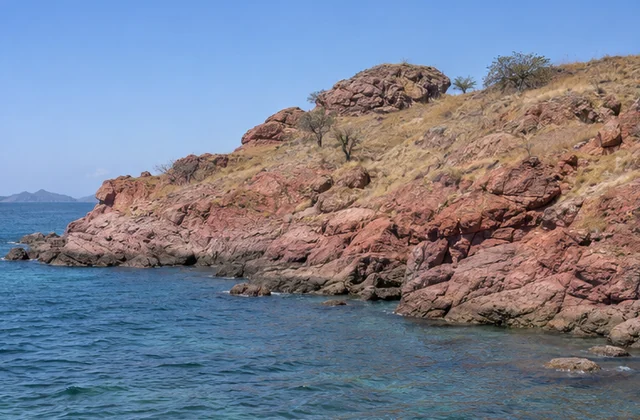
Local boat itineraries list this as a coastal rock or hill stop, sometimes paired with Manjarite snorkelling. Confirm the intended stop and activity with your crew. The sources reviewed do not establish it as a named scuba site.
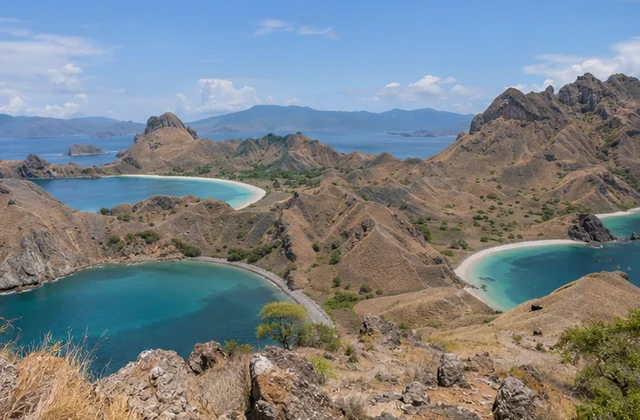
Book the timed slot in advance. Bring water and shoes with grip for the designated uphill trail. Confirm separately if the operator proposes a beach landing or a dive around Padar.
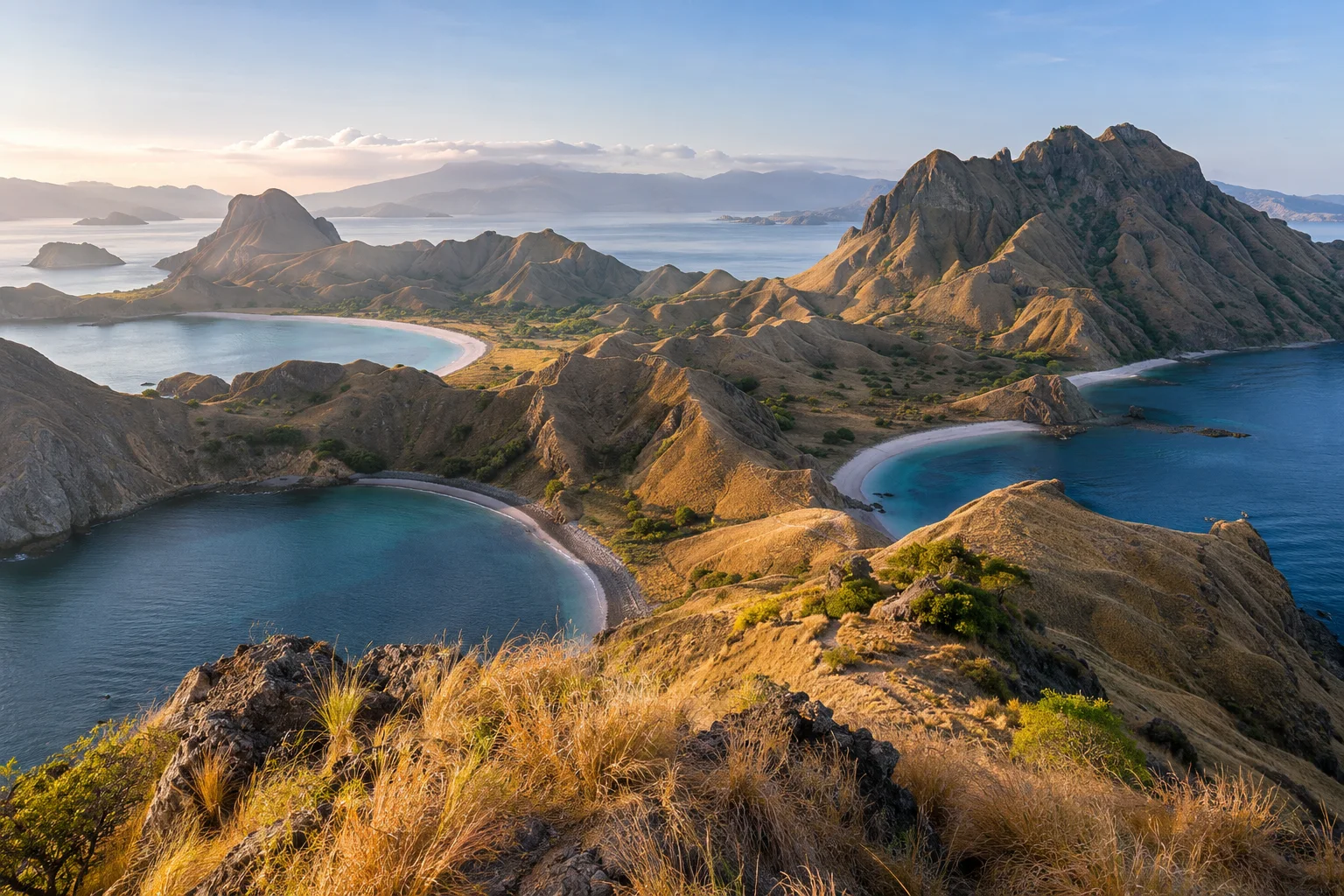
Padar is known for steep savanna ridges and sweeping views across its bays and nearby islands. The marked climb to the main viewpoint is exposed and uneven, with a sustained uphill walk. Check which trail and time slot are open, wear shoes with good grip, bring water and sun protection, and follow ranger instructions.
Komodo Island · ranger-guided wildlife walks
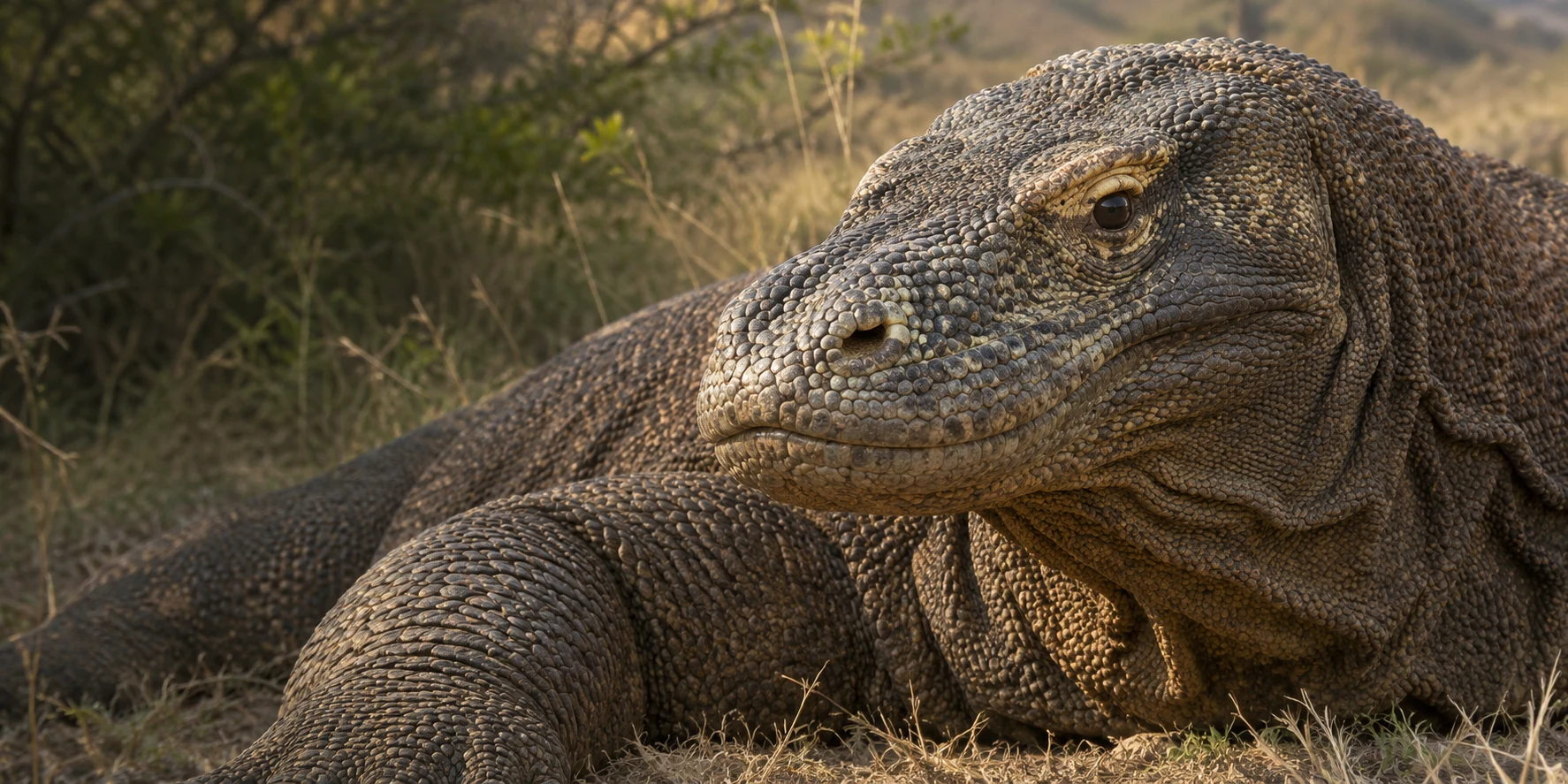
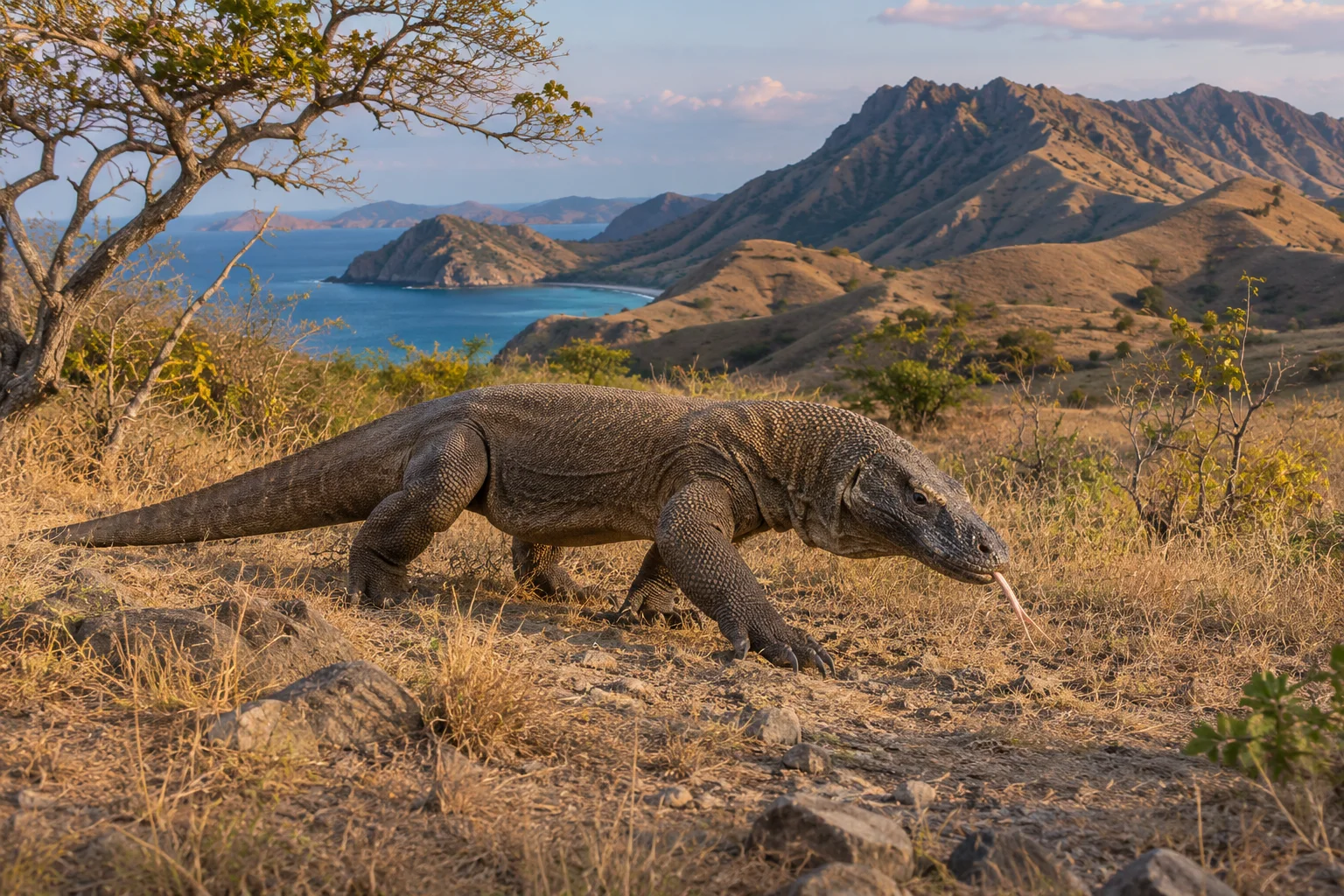
Loh Liang is a ranger access area on Komodo Island. Guided walks pass through dry savanna and woodland, where visitors may see Komodo dragons and other native wildlife; sightings are never guaranteed. Stay with your ranger, keep the distance they request, and never feed or approach wildlife.
Rinca Island · Loh Buaya ranger area
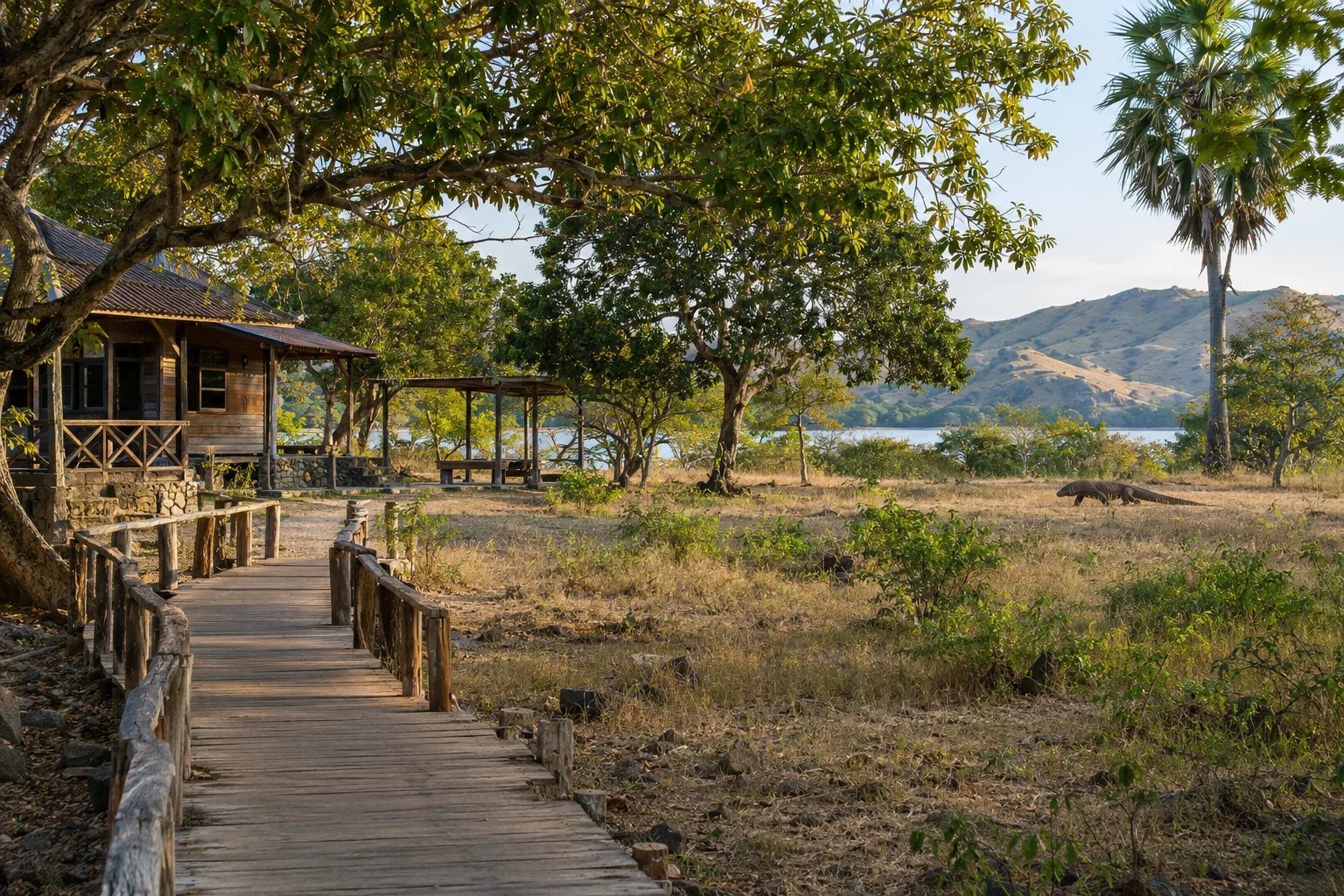
Loh Buaya is the visitor and ranger area on Rinca Island, with guided walks on designated routes through savanna and woodland. Route length and effort vary, so confirm the current walk, access and conditions before booking. Komodo dragons are wild animals: remain with your ranger and follow every safety instruction.