
探索珊瑚礁之外的拉贾安帕特
在自然栖息地观察青蛙、壁虎、蜥蜴和蛇。这是野生动物观察与摄影活动,不是采集动物。
爬行动物包括蜥蜴、壁虎和蛇;两栖动物包括蛙。特有种指自然分布仅限某个地区的物种。初学者也能通过有向导的安静步行、观察和摄影体验 Herping。
Raja Ampat地质公园资料记载了114种两栖及爬行动物,其中5种为特有种。这是区域概况,并非完整或最新名录。调查记录分布不均,许多动物很难发现。代表性的岛屿特色包括树巨蜥和小型森林蛙。Herping是安静的自然观察步行,不保证看到动物。
Waisai与Waigeo:出发地
Waisai是Waigeo岛上方便的抵达和住宿基地。从Sorong可乘渡轮到Waisai。观察森林野生动物时,请安排获得社区认可的向导和车辆,前往获准开放的Warkesi或Saporkren步道;也可预订Waigeo北部的专业多日行程。出发前确认土地许可、最新路线、海陆交通、费用、住宿和应急方案。专业行程的开放时间与路线需直接核实。
Sorong:城市附近的森林
Sorong自然旅游公园(TWA Sorong)位于巴布亚大陆,并非Raja Ampat的一部分。一项利用区样地调查记录了9种爬行动物,包括地蟒、蓝舌石龙子、绿树蟒、树蟒、地蛇、壁虎和伊里安短颈龟。政府报告称公园在Km 14–18走廊,距DEO机场约7公里。出行前向BBKSDA或园区确认开放、时间、向导和安全情况;研究记录不代表容易看到。
可询问的岛屿与栖息地
卫吉岛:金斑树巨蜥(Varanus boehmei)为岛屿特有种;Xenorhina waigeo目前仅知于卫吉岛东南部模式产地;Cophixalus rajampatensis也有卫吉岛记录。巴坦塔岛:蓝树巨蜥(V. macraei)和巴坦塔弯趾壁虎(Cyrtodactylus zugi)见于该岛;C. rajampatensis也有记录。米苏尔岛:米苏尔树巨蜥(V. reisingeri)仅分布于米苏尔。绿树蟒(Morelia viridis)记录于萨拉瓦蒂及其他大岛,但也分布在新几内亚,并非拉贾安帕特特有种。这些是岛屿级记录,并不保证能见到或允许进入具体地点。
值得了解的八种物种
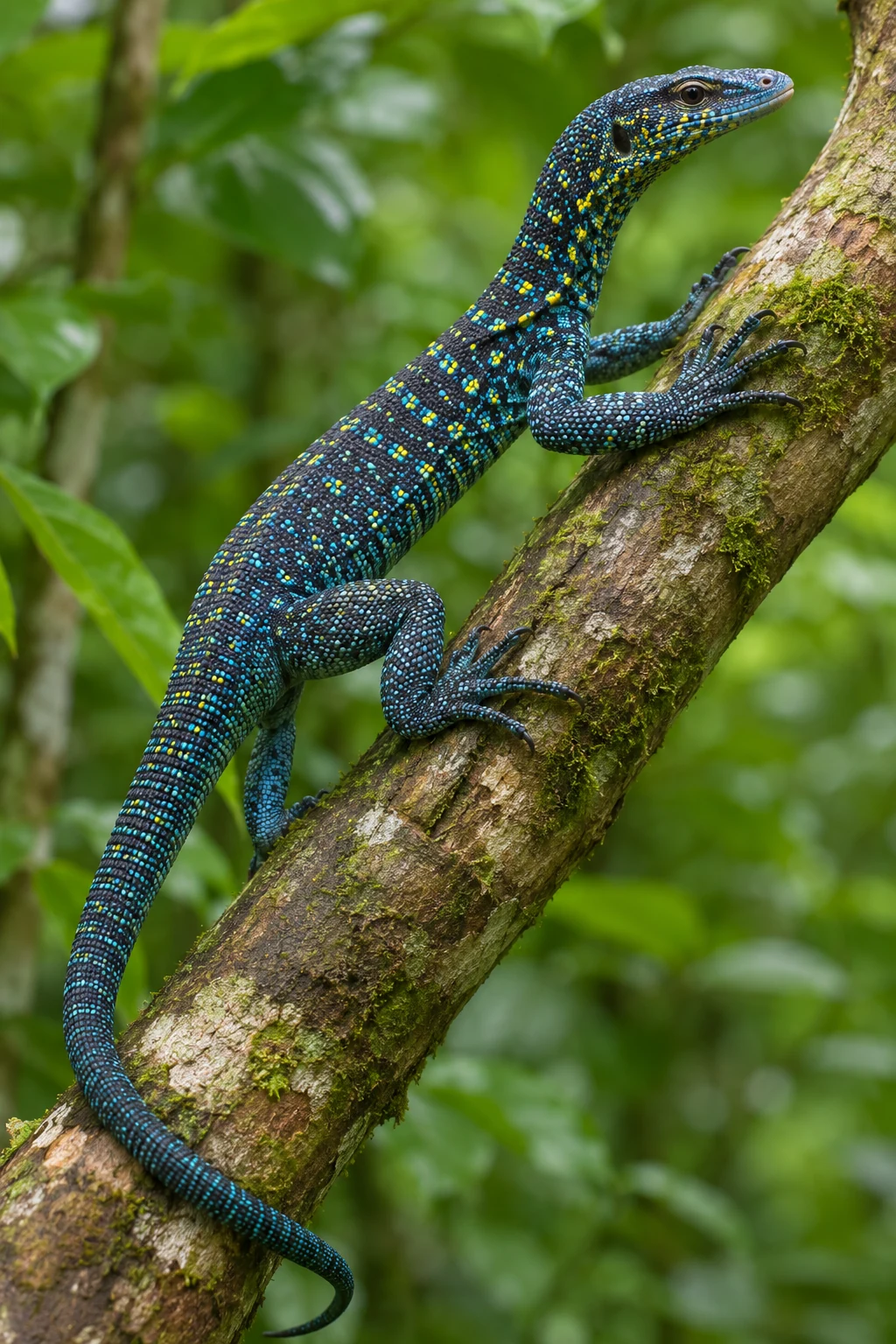
蓝树巨蜥
Varanus macraei
蓝色树巨蜥:有醒目蓝色花纹的树栖蜥蜴,记录来自巴坦塔及邻近小岛。有限的分布让森林保护格外重要。 Finding it: look up along mature forest trunks and branches during daylight, especially on a quiet, warm morning; a local guide may spot movement or a tail before you see the lizard. Risk: not regarded as a threat to people, but any large monitor can bite or scratch if cornered. Keep several metres away and never handle it.
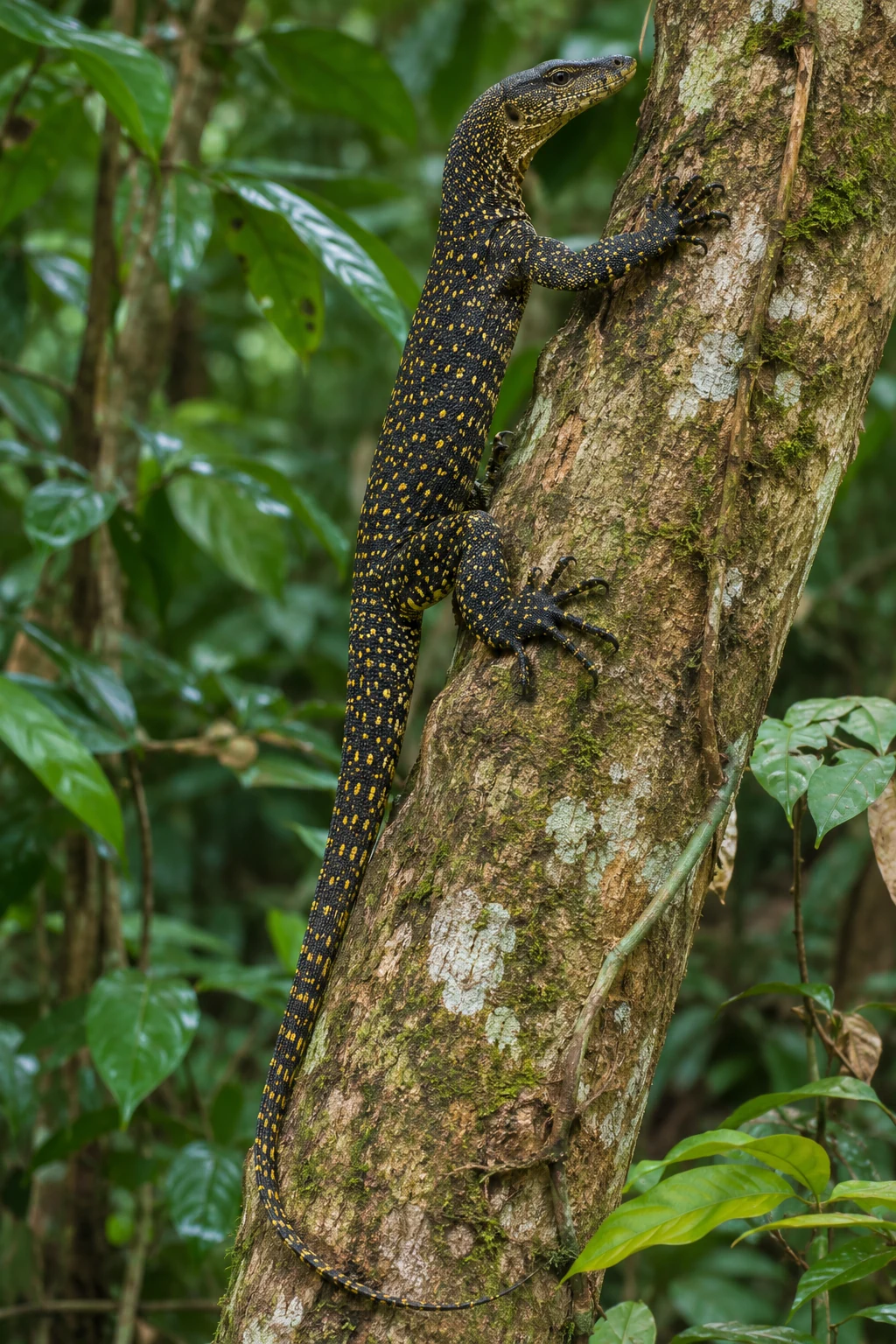
金点树巨蜥
Varanus boehmei
金斑树巨蜥:2003年从卫吉岛描述的独立物种,展示了不同于巴坦塔蓝色巨蜥的岛屿故事。 Finding it: this Waigeo tree monitor is a daytime forest search. Scan trunks, branch forks and canopy edges slowly with a local guide; sightings are uncommon and the species may stay concealed. Risk: it is not normally a danger to visitors, but a defensive bite or claw scratch is possible if trapped. Do not approach or feed it.
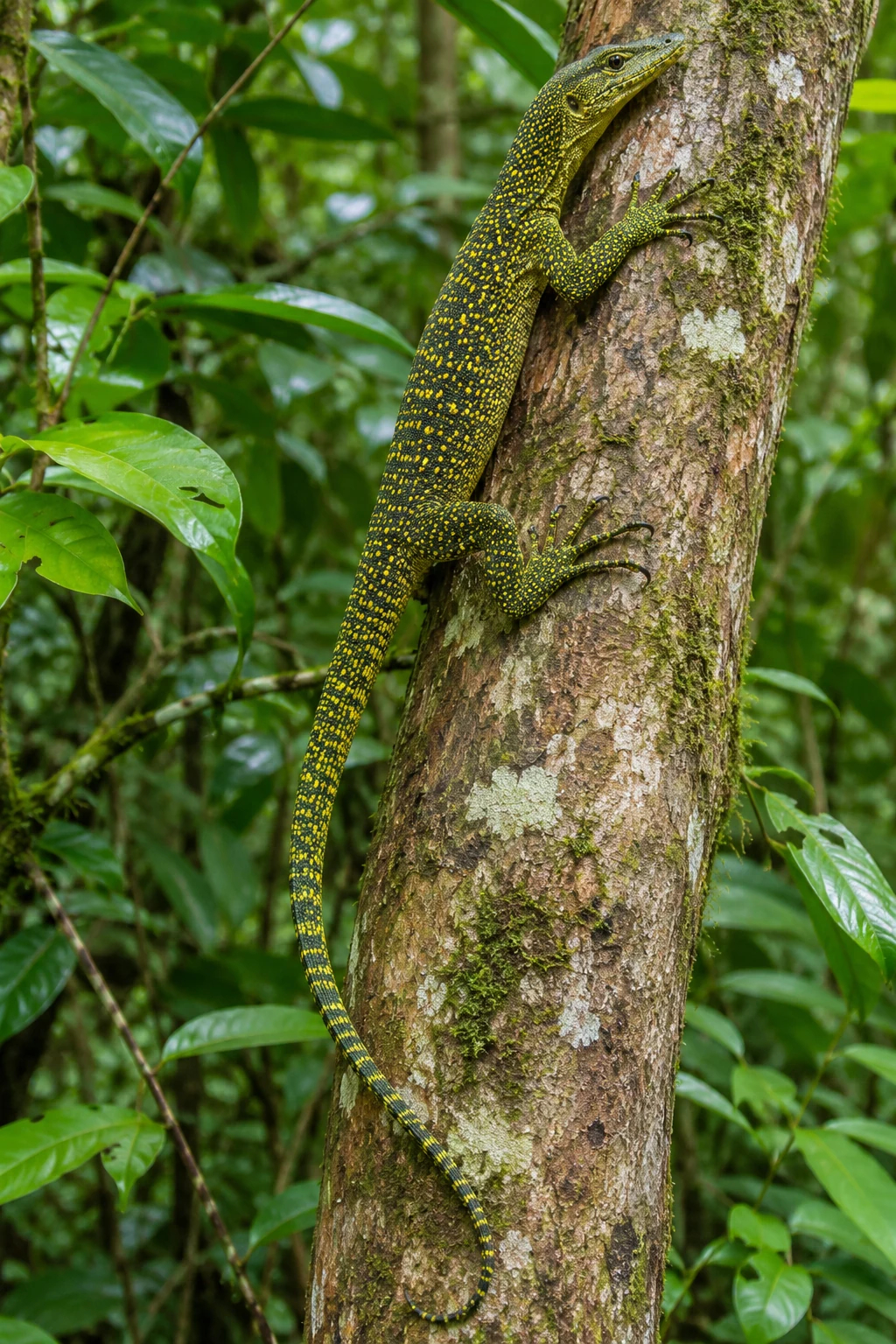
黄树巨蜥
Varanus reisingeri
米苏尔树巨蜥,又称黄色树巨蜥:记录于米苏尔的纤细树栖物种。除了珊瑚礁和潟湖,这里的陆生动物也值得关注。 Finding it: ask a Misool guide about recent daytime records and scan tree trunks and canopy edges in forest habitat; there is no reliable public viewing spot. Risk: not normally dangerous when left alone, but it can bite or scratch if restrained. Observe from a distance.
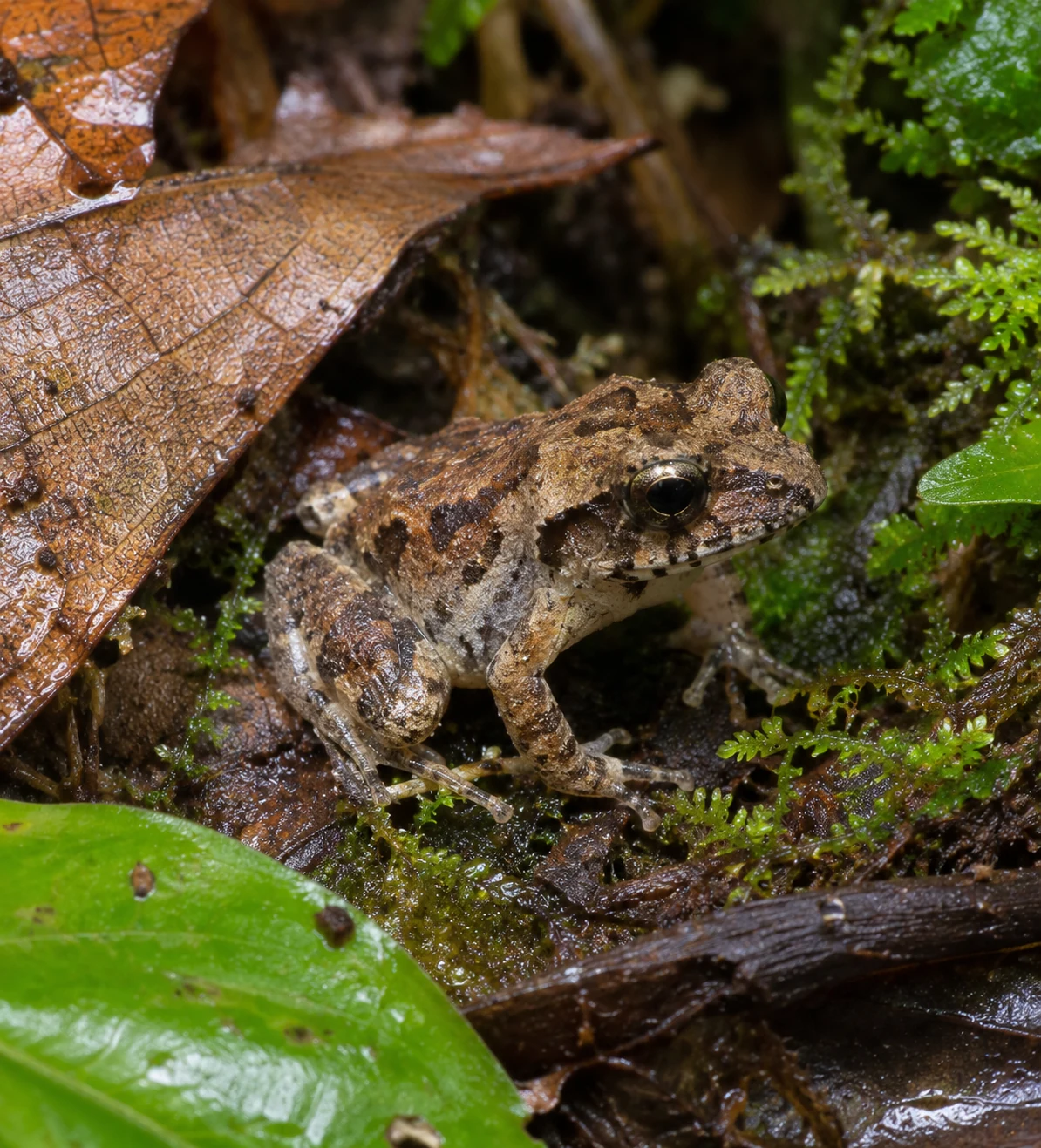
韦吉厄森林蛙
Xenorhina waigeo
2020年从卫吉岛描述的蛙,目前仅知于岛屿东南部有限区域。它体现了较少人了解的两栖动物多样性,不是旅游中常见的目标。 Finding it: frogs are more likely to be heard than seen after rain, especially on a quiet guided evening or night walk; listen near damp forest floor and low vegetation without lifting cover. Risk: no specific danger to visitors is known, but do not touch or collect it; skin and equipment can transfer irritants or disease.
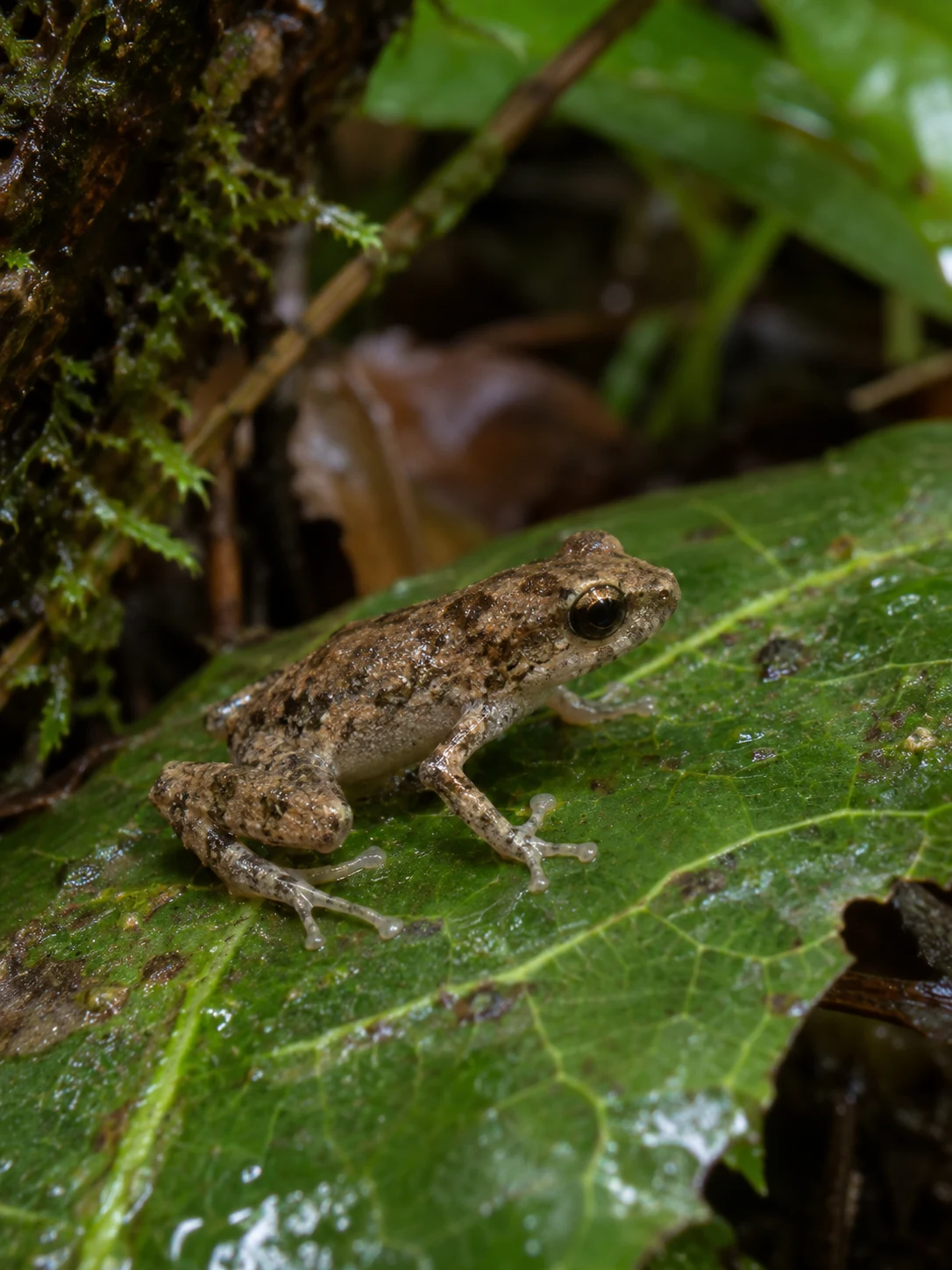
拉贾安帕特森林蛙
Cophixalus rajampatensis
2015年描述的雨林蛙,记录于卫吉岛和巴坦塔岛。学名本身指向拉贾安帕特,小型森林动物也有独特魅力。 Finding it: try a slow, quiet evening walk after rain and listen for calls near damp leaf litter and low forest vegetation. A guide should identify the call; the frog is small and not a routine sighting. Risk: no specific threat to people is known; do not handle or disturb its shelter.
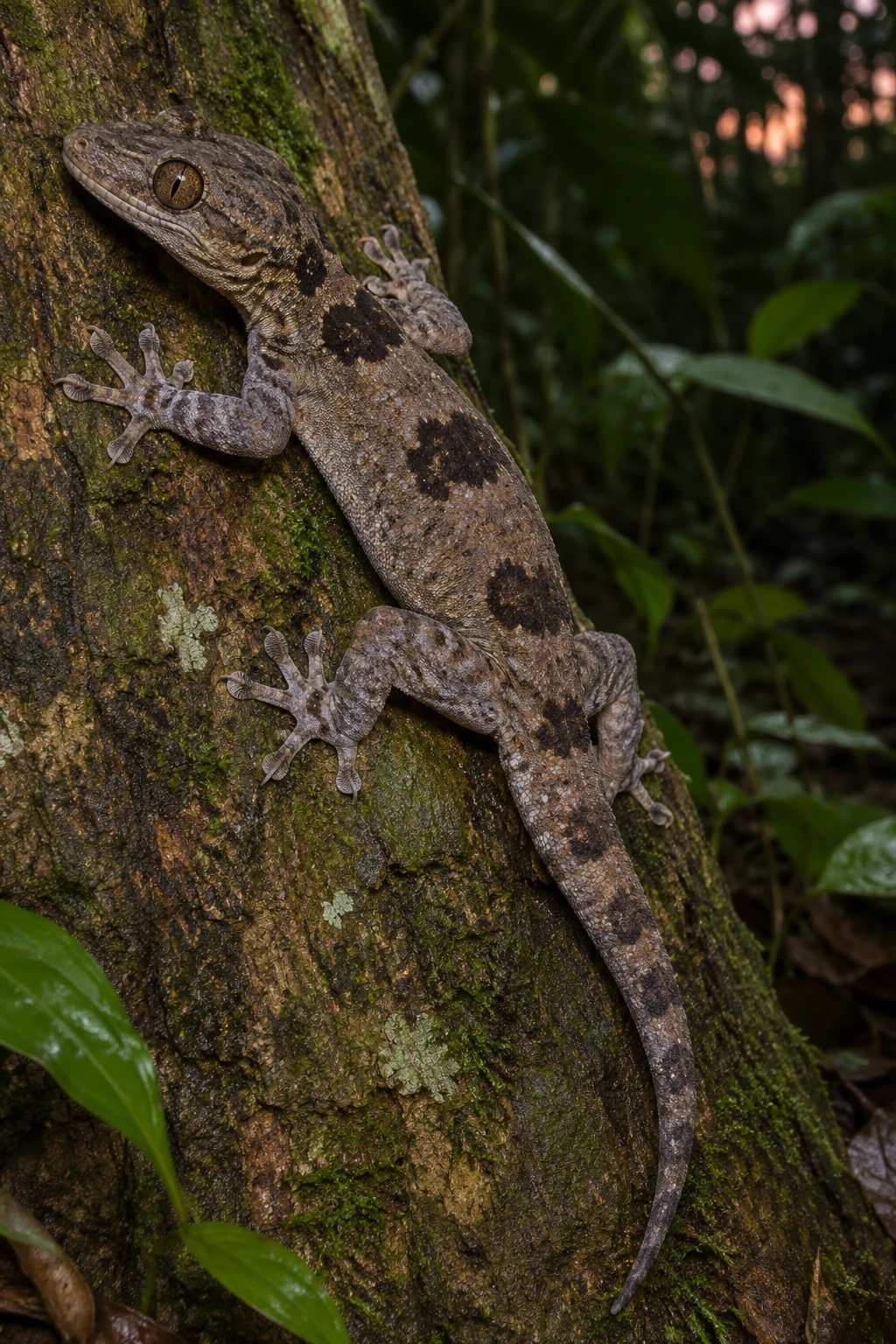
巴坦塔弯趾壁虎
Cyrtodactylus zugi
Finding it: bent-toed geckos are usually searched for after dark on tree trunks, rocks and forest edges, using a brief, dim torch with a guide. The published Batanta record does not establish a visitor viewing site. Risk: not considered dangerous; a small defensive bite is possible if handled. Leave it where it is. A large, robust bent-toed gecko described from lowland rainforest on Batanta. The published type locality is not a public wildlife-viewing site; observe geckos only on a permitted trail with a local guide.
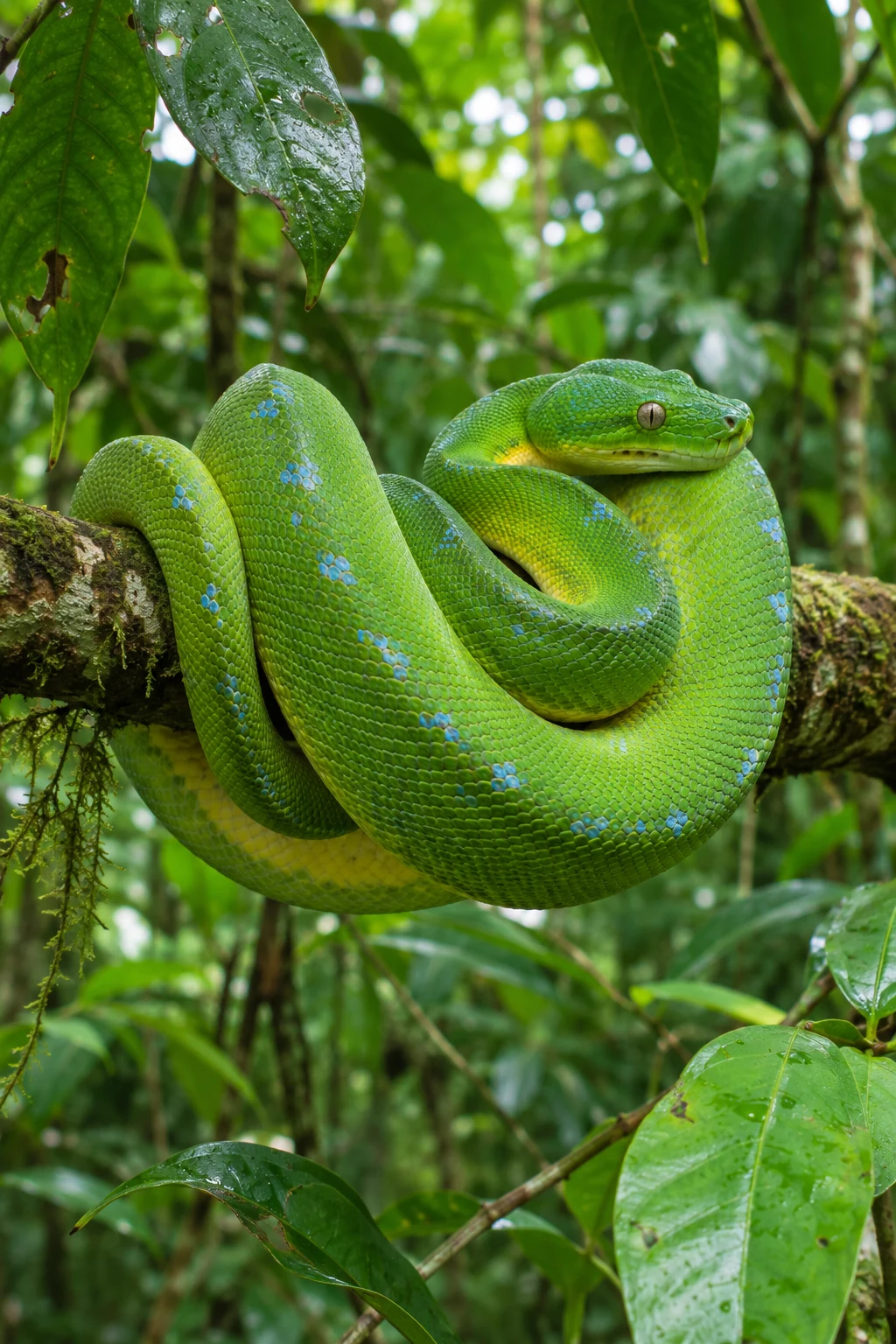
绿树蟒
Morelia viridis
Finding it: green tree pythons are most often searched for on guided night walks, resting in a characteristic loop on branches; juveniles can be yellow or reddish, not green. Risk: non-venomous, but a strong bite can cause injury and infection. Never approach, touch or move one. A non-venomous, arboreal python recorded across Raja Ampat and wider New Guinea. Adults are often green; juveniles can be yellow or reddish. It is not endemic to Raja Ampat. Never approach, touch or attempt to move a snake.
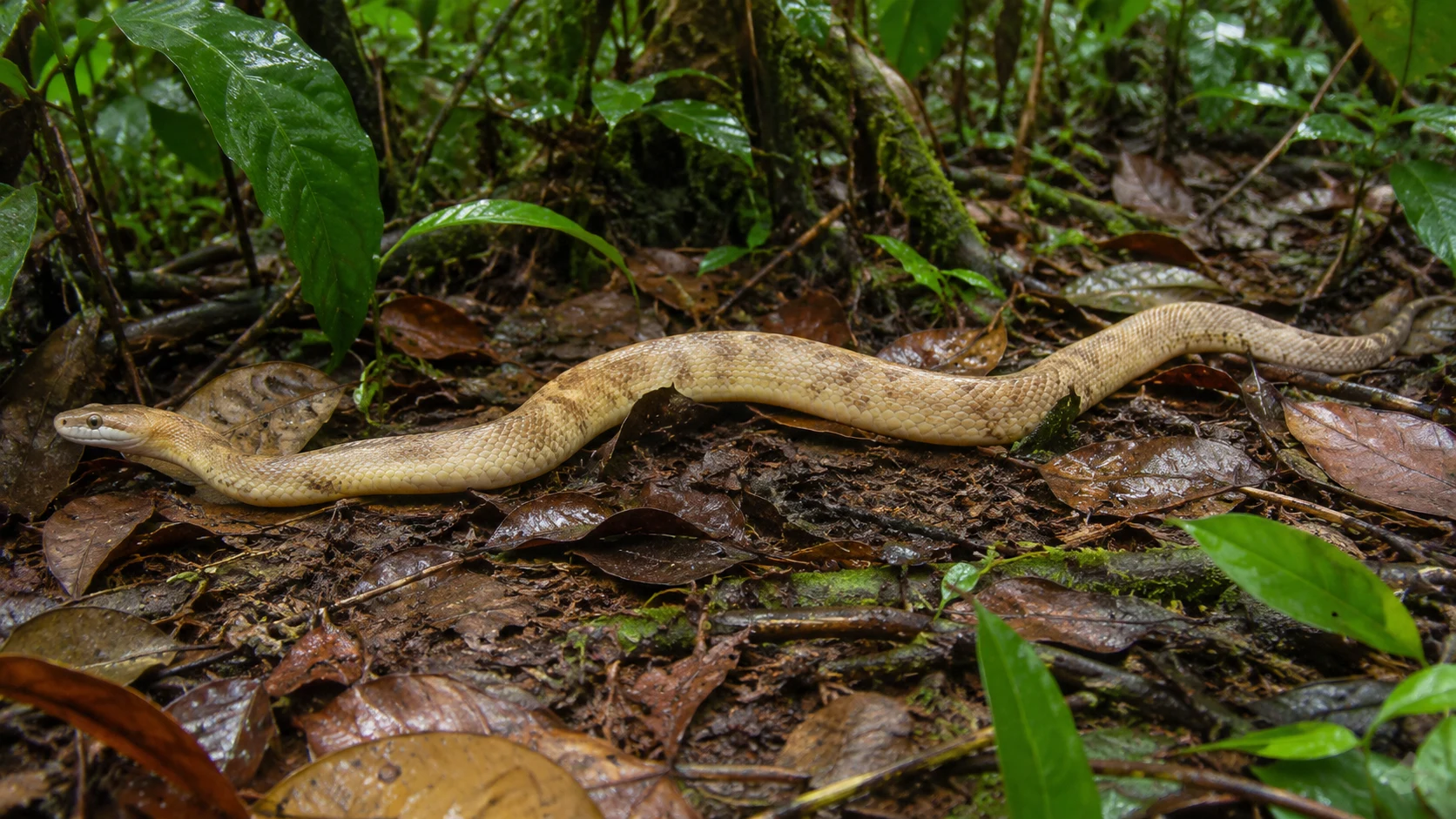
巴布亚白蛇
Micropechis ikaheka
“巴布亚白蛇”(Micropechis ikaheka)是当地对一种剧毒新几内亚小眼蛇的称呼,并不表示它全身纯白。科学标本记录显示其有浅黄、棕色和深色型,在卫吉岛、巴丹塔岛、萨拉瓦蒂岛及索龙大陆地区均有记录。不要专门寻找、靠近或触碰;疑似咬伤须立即急救。 Finding it: do not look for this snake. It is secretive, mainly ground-dwelling and largely nocturnal, and may be hidden in leaf litter or loose soil. Risk: highly venomous; a bite is a medical emergency. If seen, stop, back away, warn others and let the guide reroute. Do not attempt a close photo.
怎样体验 Herping
初学者:请向导安排允许通行步道上的短程自然观察,不干扰动物。如交通和时间允许,可结合观鸟或自然摄影。
爱好者:分别安排白天观察爬行动物与有向导的傍晚步行,听蛙鸣并观察可见的夜行动物。选岛前确认近期观察记录、向导知识、步道许可及返程交通。
向住宿方或获社区认可的当地向导询问目前是否开放陆地步道和自然观察活动。出发前确认岛屿、船程、传统土地许可、步行时间、地形、向导费和返程安排。夜行可听见或看到蛙和壁虎;白天可能观察晒太阳或树栖活动的爬行动物。雨水、温度和季节都会影响活动;任何运营方都无法保证看到某种动物。
安排活动
预订前确认进入许可、向导经验、步行难度、白天或夜间时段、交通、费用和返程。夜间请跟随有能力的当地向导,携带手电筒、备用电源、包头鞋、长裤、饮用水和防虫用品。
尤其夜间必须由有经验的当地向导带领。穿防滑包头鞋、长裤和长袖,携带饮水、防雨和防虫用品、充电手机或可用的无线电及备用手电。慢行并注意脚下。不要把手伸进洞穴、树皮下、树洞或落叶层。将不认识的蛇视为可能有危险:不要接近或触摸,后退并提醒他人,由向导选择安全路线。被咬后不要切开、吸吮、冰敷或扎止血带;减少伤者活动并立即就医。巴布亚白蛇毒性很强。看到后应停下、后退并让向导改道,不要为了拍照靠近。疑似被蛇咬时,让伤者保持安静并固定伤肢,立即寻求医疗救助。不要切开、吸吮、冰敷或扎止血带,并提前通知接诊机构。
尊重动物与栖息地
保持距离观察。不要捕捉、触摸、喂食或移动动物,不要剥树皮或扰动藏身处。短暂照明,不要摆拍动物。在不同地点之间清洁鞋和装备。确认土地与保护区规定,不公开敏感物种的精确位置。
在原地观察动物。不要捕捉、触摸、移动、喂食、引诱、固定动物或摆拍;不要剥树皮、破坏藏身处或踩踏植被。短暂使用弱光,避免反复闪光、播放声音和无人机。不要公布稀有物种的精确坐标。不同地点间清洁鞋和装备,减少病原体及入侵生物传播。尊重传统土地所有者、保护区边界和封闭规定。拉贾安帕特游客指南禁止狩猎、干扰野生动物、带走自然物和交易受保护物种;国家法律和许可同样适用。切勿购买、收集或携带野生动物、卵或其部分。
这些是物种记录,不保证遇见动物、当前数量或有现成旅游项目。并非每个岛或步道都有这些物种。敏感地点保密,不接受为摄影而捕捉的动物。
物种资料于2026年11月16日核查。这是精选介绍,不是完整名录。